The last session of the California Legislature ended in September and Gov. Gavin Newsom had the option to sign into law more than 1,160 bills the Legislature had passed.
By Oct. 2, he had signed 997 and vetoed 163. Below is a brief summary of the new laws that Californians will have in 2023.
Minimum wage
On Jan. 1, the minimum wage in California will increase to $15.50 an hour.
While larger companies hit the $15 per hour minimum wage in January 2022, smaller businesses with 25 or fewer workers only had to pay $14 per hour to meet the requirement. In 2023, the added 50 cents, to $15.50 per hour, is the result of the state requiring the minimum wage to adjust with inflation and applies to all employers no matter the employee size.
However, employers in at least 30 cities are already paying a higher local minimum wage, and new increases took effect in some cities lasts July — with at least six cities raising their minimum wage higher than $15.50.
Restaurant worker wages, including fast food workers
Assembly Bill 257, the FAST Recovery Act, creates a 10-person council to set rules for chains with 100 or more restaurants nationally. They’ll set the minimum wage for fast-food workers with an upper limit of $22 an hour. AB 257 will establish a 10-member unelected body (“the Fast Food Sector Council”) that will have authority to establish industrywide standards on wages, working hours and other working conditions applicable to the entire fast food industry. This council’s proposals will come before the Legislature and would take effect unless lawmakers specifically step in to prevent it from taking effect.
Opponents want to repeal the new law. A coalition called Save Local Restaurants, whose biggest funders are In-N-Out Burger, Chipotle and Starbucks, has submitted more than a million signatures to put the issue on the ballot in 2024. This would put implementing AB 257 in abeyance until the electorate votes on the proposition.
Last week, however, the state’s Department of Industrial Relations informed the attorneys representing opponents of AB 257 that it intended to implement the law regardless of the referendum effort underway, noting if and when the referendum qualifies for the ballot, it would then be put on hold.
This announcement was independent of the Secretary of State’s Office saying Jan. 25 was the deadline for counties to report their random sample verification results of those signatures. From there, the measure could either qualify, fail or move to a full check of signatures, depending on the results.
On Dec. 30, a Sacramento Superior Court judge put the bill’s implementation on hold until the secretary of state has decided whether there are sufficient signatures to place a referendum on the 2024 statewide ballot.
Older Californian drivers
They will now have to trek to Department of Motor Vehicles (DMV) for renewal of their driver’s license. In 2022, this could be done online. But beginning Jan. 1, 2023, AB 174 will again require drivers ages 70 and older to renew their license in person at a DMV office.
Disabled parking placards
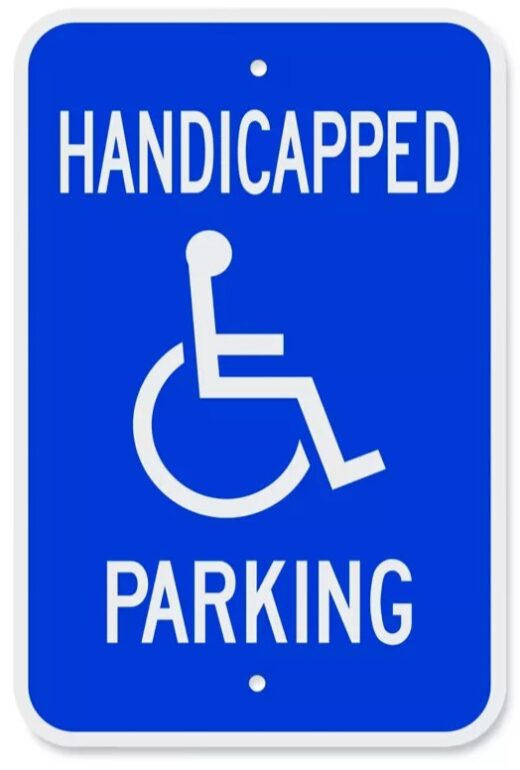
A 2017 law goes into effect in January, which requires the State DMV to contact disabled persons who have a permanent Disabled Person Parking Placard. If they have had the placard for at least six years, the DMV will send a notice at the time for renewals (SB 611 from 2017). The notice will ask them to confirm they are still in need of one. The DMV will not renew placards for people who do not respond.
Bicyclists
AB 1909 will now require drivers to change into another available lane, when possible, to pass cyclists. The law also permits Class 3 e-bike riders to use approved bicycle paths and trails, bikeways, and bicycle lanes, but local governments can still ban them from equestrian, hiking and recreational trails.
Also, beginning Jan. 1, 2024, the law allows cyclists to cross an intersection when a walk sign is on. The bill also prohibits cities from requiring bicycle licenses.
Catalytic converter theft
This will have greater scrutiny and, hopefully, reduce occurrences. New laws enhance requirements on recyclers to keep specific records of catalytic converters they receive and on the authorized parties who can sell used catalytic converters. These laws aim to reduce the increasing theft of catalytic converters and help keep Californians and their cars safer.
Alternatives to conventional license plates, stickers, tabs and registration cards
This will be expanded in 2023. AB 984 permits the DMV to create a new ongoing program that allows entities to issue alternatives such as digital license plates, vinyl front license plate wraps and digital registration cards.
Since 2015, the current pilot program has enrolled more than 19,000 customers for digital license plates, more than 5,000 customers for vinyl license plates and less than 100 customers for e-registration. The DMV still has to propose regulations to govern how the requirements for the permanent program will be implemented.
Pedestrians
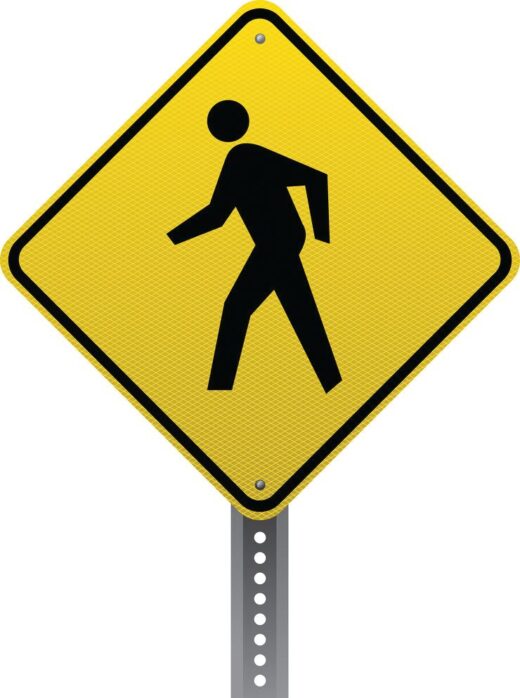
Pedestrians also benefit from a new law, AB 2147, the Freedom to Walk Act. It now permits them to cross the street outside an intersection or crosswalk without being ticketed as long as it is safe to do so. The bill defines when an officer can stop and cite a pedestrian for jaywalking — specified as only when a reasonably careful person would realize there is an immediate danger of a collision.
License suspension laws
These laws began Jan 1. AB 2746 tells the California state courts to stop sending notices to the DMV for license suspensions due to failure to appear. It then requires the DMV to stop suspending licenses for failing to appear beginning Jan. 1, 2027. This allows time to make computer programming changes.
Presence at public meetings
This will depend upon deportment in the future. Senate Bill 1100 will permit the presiding officer to have a disruptive person removed. But the individual must first be warned that their behavior is disruptive and will result in their ejection if it continues. Once warned, the individual may be removed if they continue the disruption. The measure also defines disrupting, which can include making threats or failing to comply with reasonable and lawful regulations.
Sidewalk food vendors
They will have easier requirements to obtain local health permits according to SB 972. The bill amends the California Retail Food Code, This not only increases community health and safety, it also helps vendors formally enter the economy.
Abortion
Abortion was a major issue in 2022 and changes were set for 2023. On Nov. 8, Californians amended the state constitution to clarify that abortion is a constitutional right.
AB 1242 will prohibit law enforcement and California corporations from cooperating with or providing information to out-of-state entities regarding a lawful abortion in California. It also prohibits law enforcement from knowingly arresting a person for aiding in a lawful abortion in California.
SB 1375 will authorize nurse practitioners and certified nurse midwives to perform first-trimester abortions without a doctor’s supervision.
Senate Pro Tem Toni Atkins, who authored the bill, said the new measure allows for more trained nurse practitioners in high-need areas to perform surgical, or aspiration abortions, whereby suction is used to remove the contents of the uterus.
Abortion costs
The cost of abortions will be less in 2023. California already requires health insurance companies to cover abortions. But private insurers often charge costs such as co-pays and deductibles that can add to the cost of a medication or procedural abortion. SB 245 prohibits those fees on abortions. While the law will make abortions cheaper, it also will slightly increase monthly premiums for patients and their employers.
Vasectomy

The Legislature also approved a similar bill for a vasectomy — the medical procedure that sterilizes men. However, it does not take effect until January 2024. The bill would make sure men on private insurance plans could get vasectomies at no more cost other than what they pay for their monthly premiums.
Pink Tax
And in 2023, the “Pink tax” will end in California. AB 1287 now prohibits California businesses from charging a higher price on products marketed for women, also known as the “Pink Tax.” The bill prohibits two “substantially similar” products, such as razors, from the same company from being “priced differently based on the gender of the individuals for whom the goods are marketed and intended.: Companies that violate the new law could face hefty fines.
Shrinking the pay gap

SB 1162 brings California a big step closer to shrinking the pay gap. This bill will expand on existing transparency laws, which mandate pay data reporting by employee’s sex, race and ethnicity. This new law requires companies that employ at least 15 people to include salary ranges in all job postings and provide them to existing employees upon request.
It expands the requirements for annual pay data reports and requires covered employers to retain certain pay records. Employers with multiple establishments are required to submit separate reports for each establishment instead of a consolidated report.
All private employers with 100 or more employees will file such pay data reports, regardless of whether they are required to file a federal EEO-1 (Equal Employment Opportunity) with the Equal Employment Opportunity Commission. This also applies to firms that have 100 or more employees hired through labor contractors to file a separate pay data report covering those employees.
The information to be included in pay data reports has been expanded to include median and mean hourly rates within each job category by race, ethnicity and sex.
The law aligns California law with several other states, including New York, Nevada and Washington.
Discretion on emergencies
Workers will have more discretion on when an “emergency condition” affects their ability to come to work. SB 1044 prohibits an employer, in the event of an “emergency condition,” from taking adverse action against an employee for refusing to report to, or leaving, a workplace or worksite because the employee has a “reasonable belief” that the workplace or worksite is unsafe.
An “emergency condition” is defined to mean 1) conditions of disaster or peril caused by natural forces or a criminal act, or 2) an order to evacuate a workplace, worksite, a worker’s home, or the school of a worker’s child. Notably an “emergency condition” does not include a health pandemic – so SB 1044 will not be applicable to employees who claim the worksite is unsafe due to COVID-19.
State holidays
And there will be several new state holidays. Coming up this year the Lunar New Year (Jan. 22), Armenian Genocide Remembrance Day (April 24), and Juneteenth (June 19) will all be state holidays.