The State Assembly’s Special Session on Petroleum and Gasoline Supply
began last week. Gov. Gavin Newsom issued a proclamation Aug. 31 calling
for the Session. His intent was for enactment of legislation to address
fuel price spikes next year and beyond.
On Sept. 21, the average cost of a gallon of gasoline in California was
$4.75 compared to a $3.21 nationwide average. A year ago, the average
cost of a gallon of regular gas was $5.79. Last week, in Riverside
County, the average cost of a gallon was $4.46.
Assembly Speaker Robert Rivas (D-Salinas) convened that body the same
night of Newsom’s proclamation. However, Senate President pro Tempore
Michael McGuire (D -North Coast) did not call the Senate back. McGuire
maintained that action could have been taken during the regular session.
The Senate was ready and does not need a special session. It adjourned
Sunday morning, Sept. 1.
Hearings
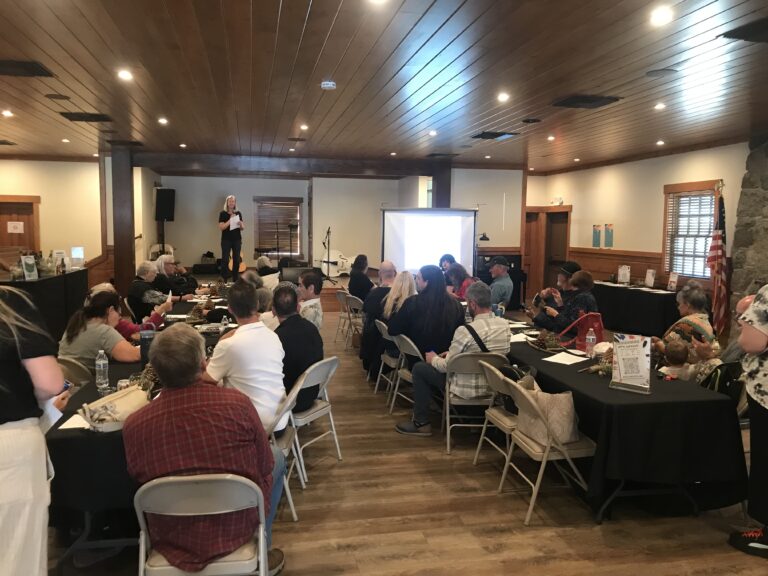
On Sept. 17, the first of two informational hearings about the State oil
market and gasoline prices was held.
In opening the hearings, Assembly member Cottie Petrie-Norris, the chair
of the special committee studying petroleum and gas prices, stressed
that the State’s program to reduce gas consumption and demand is a
“complicated challenge. While gas demand is shrinking, market supply of
gasoline is constricting, therefore prices are growing more volatile.”
According to the staff’s accompanying report, these hearings would
describe basics of the State’s petroleum market and what makes this
market unique. An overview of the petroleum supply chain from crude
entering the refinery to finished gasoline at the pump was described.
The second critical area was how the State’s efforts to achieve air
quality and climate goals affect the petroleum market. In 2022, the
California Air Resources Board prepared a Scoping Plan to achieve these
targets, ending dependence on petroleum.
The current target, set with approval in 2022 of Assembly Bill 1279,
established a statewide net neutrality goal and increased the greenhouse
gas reduction requirements to at least 85% below 1990 levels by 2045.
Essentially over the next two decades, demand for gasoline is intended
decline as more zero emission vehicles occupy the roads.
In a separate report this week, the CARB reported, “. . . for 2022,
greenhouse gas emissions show a 2.4% drop from 2021 to 2022 that is the
equivalent of removing more than 2.2 million gasoline-powered cars off
California’s roads for one year.”
According to the Hearing’s report, gasoline demand peaked in 2005. But
gas driven vehicles will not be totally eliminated by 2045. There will
still be millions in use.
And the Hearing statement assumes, “Many of the petroleum-fueled
vehicles that remain will likely be owned by individuals and families
unable to access newer or cleaner options.”
Legislation
Rivas and Newsom have proposed legislation to avert gas shortages and
price spikes at the gas station. The Petroleum and Gas Supply Committee
will consider AB2X 1 on Sept. 26. This bill requires refineries to
maintain adequate reserves and properly plan for refinery shutdowns.
“This additional supply, this additional buffer would be available when
prices go up to help stabilize the market… The problem with this
concentrated market with the four firms is they don’t currently have the
incentive to keep inventories high enough to protect against price
spikes. And I can say that the proof is before us in the price spikes
that we’ve been experiencing,” said Tai Milder, Director of the state’s
Division of Petroleum Market Oversight during the hearing.
It would also set criteria to be met before a refinery commences a
turnaround or maintenance event. The California Energy Commission, along
with the Expert Advisory Committee, would consider the effects of
refiners’ inventories of fuel and feedstocks and blending components on
the price of transportation fuels in California.
Republican response
Prior to the start of the hearings, Republicans held a press conference
challenging its need and promoting their legislation to address gas
prices.
The Republican bills were aimed at immediate steps to reduce the price
of gasoline at the pump. For example, ABX-2 would suspend the State’s
gas tax.
Gallagher’s proposal (ABX-3) would exempt gas from California’s
Cap-and-Trade program, which adds roughly 30 cents to the cost of a
gallon of gas. It would also permit an earlier switch to winter-blend
fuel to help reduce seasonal price spikes.
Besides these two proposals, the Republicans offered four more bills.
Assemblymember Joe Patterson introduced speakers at the press
conference. Their principal argument was that price gouging is not
causing higher fuel prices, rather its policy decisions in Sacramento
and the legislature.
Governors of Arizona and Nevada
On Sept. 10, a week before the hearings began, the Governors of both
Arizona and Nevada sent a letter to Newsom asking him to reconsider the
regional effects of ABX2-1 if enacted.
“. . . amplifying our concerns, refiners have raised the alarm that
refinery inventory mandates could result in supply shortages and
potential refinery shutdowns, which would have grave impacts to our
shared economies and transportation infrastructure across the West,”
argued Gov. Katie Hobbs, a Democrat, of Arizona and Gov. Joe Lombardo, a
Republican, of Nevada.
“Despite ongoing conversations about the root causes of rising fuel
costs, it is evident that increased regulatory burdens on refiners and
forced supply shortages will result in higher costs for consumers in all
of our states. With both of our states reliant on California pipelines
for significant amounts of our fuel, these looming cost increases and
supply shortages are of tremendous concern to Arizona and Nevada,” the
Governors concluded.
The California petroleum market
The staff reported stated “More than two-thirds of the crude oil
processed in California’s refineries comes from out of state, with 59%
sourced from outside of the U.S.” Global turmoil such as Russia’s
invasion of Ukraine affect prices everywhere including California.
California has nine refineries that change crude oil into gasoline and
five are in Southern California. These are the sole source of
California’s gasoline. While some gasoline produced here can be exported
to other states, there are no pipelines for importing gasoline into
California.
“As a result, refinery outages can more dramatically impact our supply
and pricing,” according to the Report. “When unexpected supply
disruptions occur, it can be difficult to find immediate alternative
sources of supply due to California’s stringent [regulations on blending
fuel stocks] and relative geographic isolation. The market frequently
turns to imports brought in by ship to make up shortfalls, however,
those can take 3 to 4 weeks to arrive in California,”
Summary
Newsom’s legislation requires the refiners to establish reserves of
gasoline before shutting refineries for maintenance or other reasons. If
approved, this would be a longer-term solution not immediate relief. It
is impracticable for these reserves to be created before winter gas
prices increase. Just the preparation and approval of the State’s new
regulations would take months.
Any approved bill will not be the result of bipartisanship and a joint
effort to solve a growing problem for California residents. Each party
has its own opinion of why these prices are higher in California and
continue to lead the nation.
The Democrats see price gouging. Although some journalists, e.g., Dan
Walters of CalMatters, have written that no verifiable proof of gouging
has been presented.
The Republicans see wasteful government actions and unneeded taxes.
However, the dreaded gas tax (about 60 cents a gallon) is used to build,
maintain and repair the State’s roads.
In January 2023, Severin Borenstein, then at the University of
California, Berkely, suggested, “California suffers from a lack of
retail gasoline competition, possibly due to excessive control of the
retail market by companies in the concentrated refining business
upstream.”
Next Hearing
The intent of the two days of hearings is for the members to learn and
to understand the behavior of the petroleum market better, which should
help to produce more effective legislation.
On Sept. 26, the special Session will begin to review the numerous bills
proposed to address and moderate the gasoline market’s prices and
supply.