By Betsy Schwartz

Vice President, Public Education and Strategic Initiatives

National Council for Behavioral Health

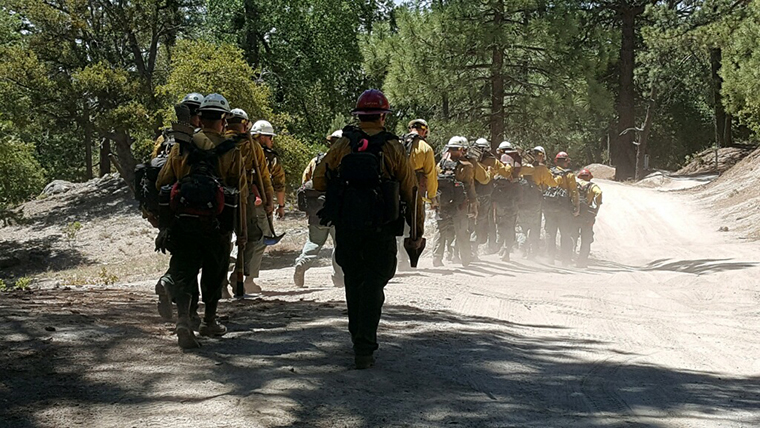
As wildfires burn throughout California — making this the worst fire season in years — firefighters on the frontlines are working around the clock to beat back racing infernos. It’s difficult for most of us to imagine the destruction they witness, and they rarely have time to regroup and process their emotions. However, not doing so can literally be deadly.

According to a recent study by Ruderman Family Foundation, 103 firefighters

died by suicide; more than the 93 who died in the line of duty. And a survey conducted by the International Association of Fire Fighters of more than 7,000 North American firefighters revealed that 27 percent have struggled with substance use issues.

In a profession known for stoicism and resilience, it can be difficult to admit you need help. The stigma surrounding mental health is so severe that many firefighters turn to coping strategies like alcohol or prescription medications. Substance use also increases the risk of suicide. We need to support those who serve their communities during and after these catastrophic events, and that’s where Mental Health First Aid can help.

The National Council for Behavioral Health recently announced a new Mental Health First Aid Fire/EMS module designed to provide firefighters and EMS personnel the skills they need to support themselves, the people they serve and their colleagues through a mental health or addiction crisis.

The module provides a fundamental understanding of the common mental health challenges experienced by first responders, and the skills to identify and respond to people who may be in crisis. The program also teaches effective debrief and referral practices for any of the groups they serve.

As the toll on firefighters, their families and their communities continues to grow with the fire season, Mental Health First Aid for Fire/EMS offers another tool — both for outreach and wellness. To find a course or contact an instructor in your area, visit www.MentalHealthFirstAid.org or email Info@MentalHealthFirstAid.org.

Similar Posts

  • Medi-Cal enrollees may lose coverage

    From 2 to 3 million Californians now insured under Medi-Cal extensions the federal government’s American Rescue Plan (ARP) funded may lose their coverage later this year. Also, the federal Public Health Emergency (PHE) is scheduled to expire April 16, and unless extended, that expiration will trigger “downstream” effects on Californians. If the state of emergency…

  • Legislature very active this session

    Vaccines, rent, contractor status and more on governor’s desk The California State Legislature’s session ended Friday, Sept. 13. Hundreds of bills were passed before its adjournment. Gov. Gavin Newsom has already signed many into law, but many have not been signed and some will likely be vetoed. Below is a brief highlight of the major…

  • ‘This is our lane’

    Congressional gun violence prevention roundtable By the Office of Rep. Raul Ruiz, M.D.Contributed On Oct. 21, Rep. Raul Ruiz, M.D., D-Palm Desert, convened members of congress, physicians, and public health experts for a problem-solving discussion regarding the epidemic of gun violence facing the nation. Ruiz led the discussion centered on approaching gun violence as a…

  • School boards association abandons $15 billion tax

    By John FensterwaldEdSource The California School Boards Association announced Wednesday, Dec. 4, that it and its partners will end their effort to put a $15 billion tax initiative benefiting K-12 and community colleges before voters next November (https://www.csba.org/Newsroom/PressReleases/2019/2019-1204-FullandFairFundingBallotUpdate). Stating it wanted to avoid the prospect of competing tax measures for education on the same ballot,…

  • Covered California health plans up 12 percent

    Federal subsidies still uncertain Covered California is moving forward with its health insurance exchange for 2018 despite the turmoil and inconsistency coming from Washington, D.C. Last, month Covered Cal announced its prospective premiums for 2018. While the average increase statewide for next year is 12.5 percent, within the Inland Empire region (which includes Riverside and…